

PlistEdit Pro 1.10.0 — Mac version
If you've ever poked around inside a macOS app package, you'll have spotted property list files—the .plist files Xcode opens by default. PlistEdit Pro is what you reach for when you need more than a basic text view. It handles both plist and JSON, and the current version 1.10.0 runs on Apple Silicon and Intel Macs as long as you're on macOS 14 or newer.
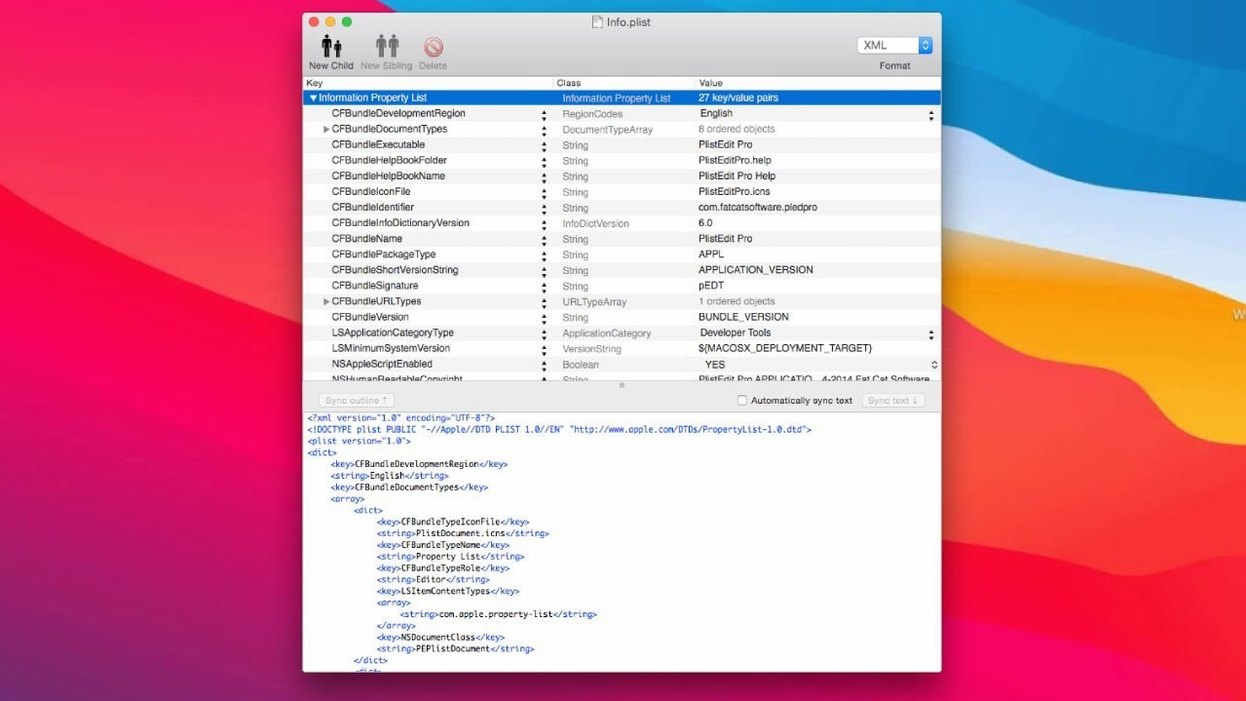
- Full editor for property list and JSON files, with copy and paste that keeps the structure intact.
- Browser that lets you peek straight into macOS preference plists.
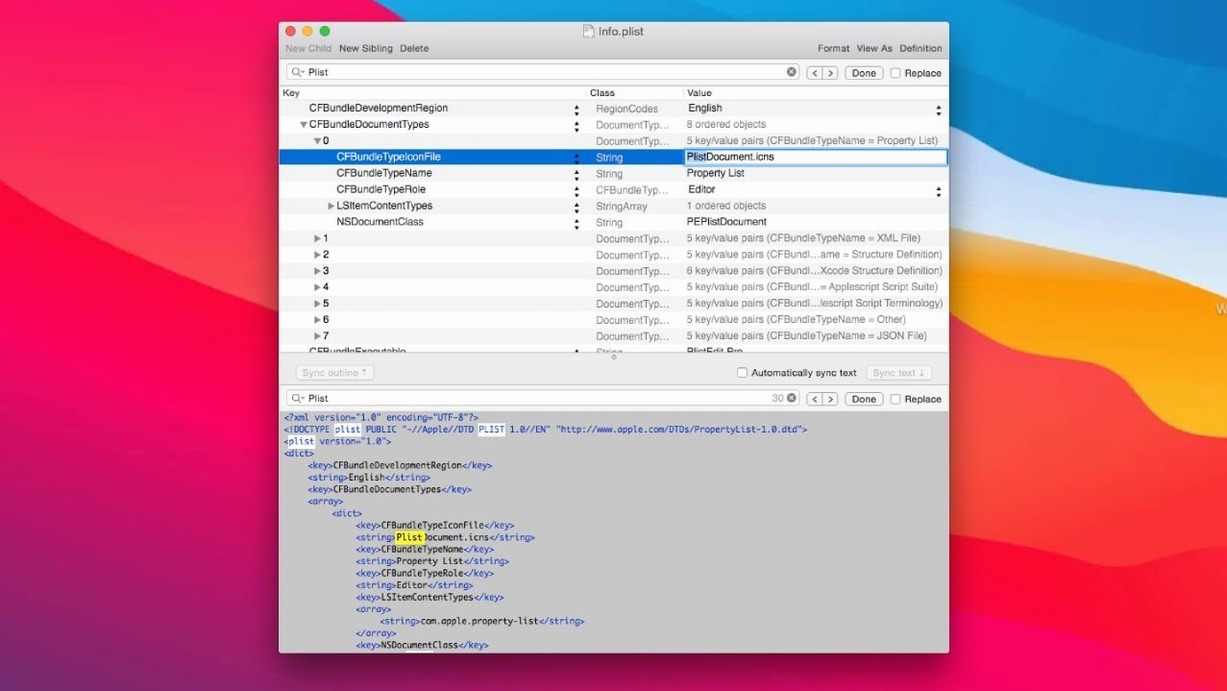
- Find and replace across a whole folder of plist files—handy for hunting down a stray key.
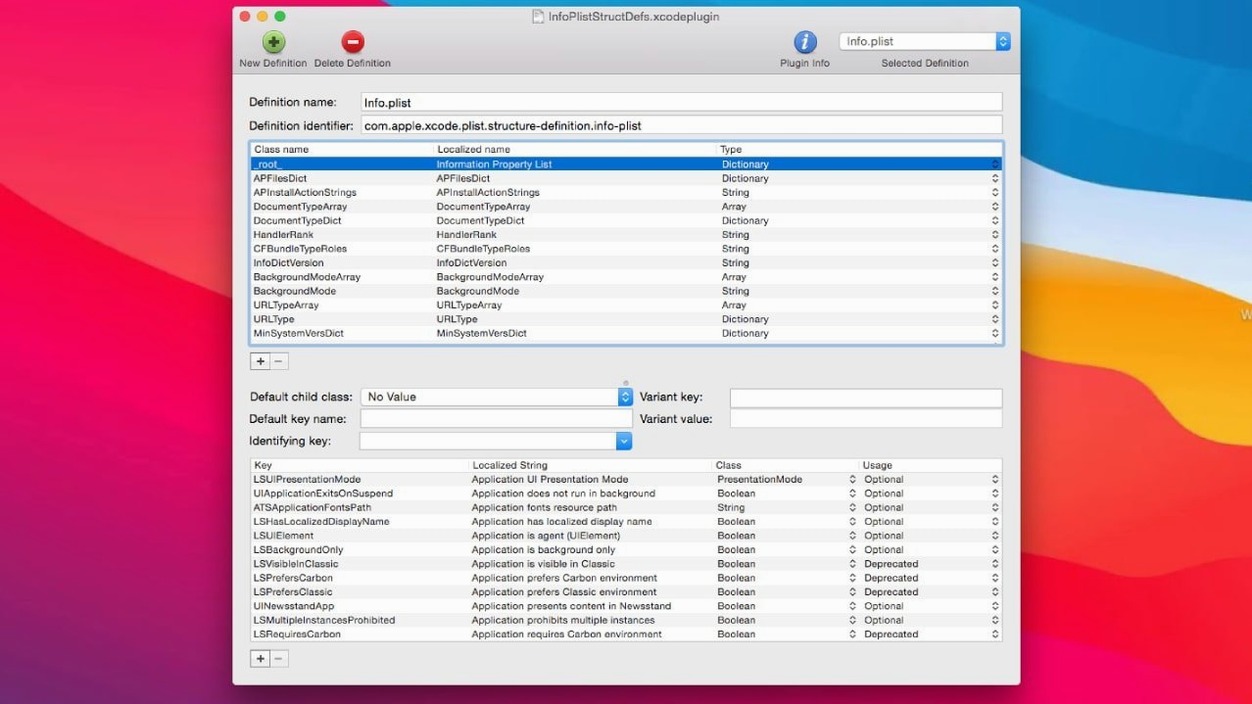
- Syntax definitions built in so standard plist files are formatted properly from the start.
- Includes the pledit command-line tool for scripting or quick edits without opening the main window.
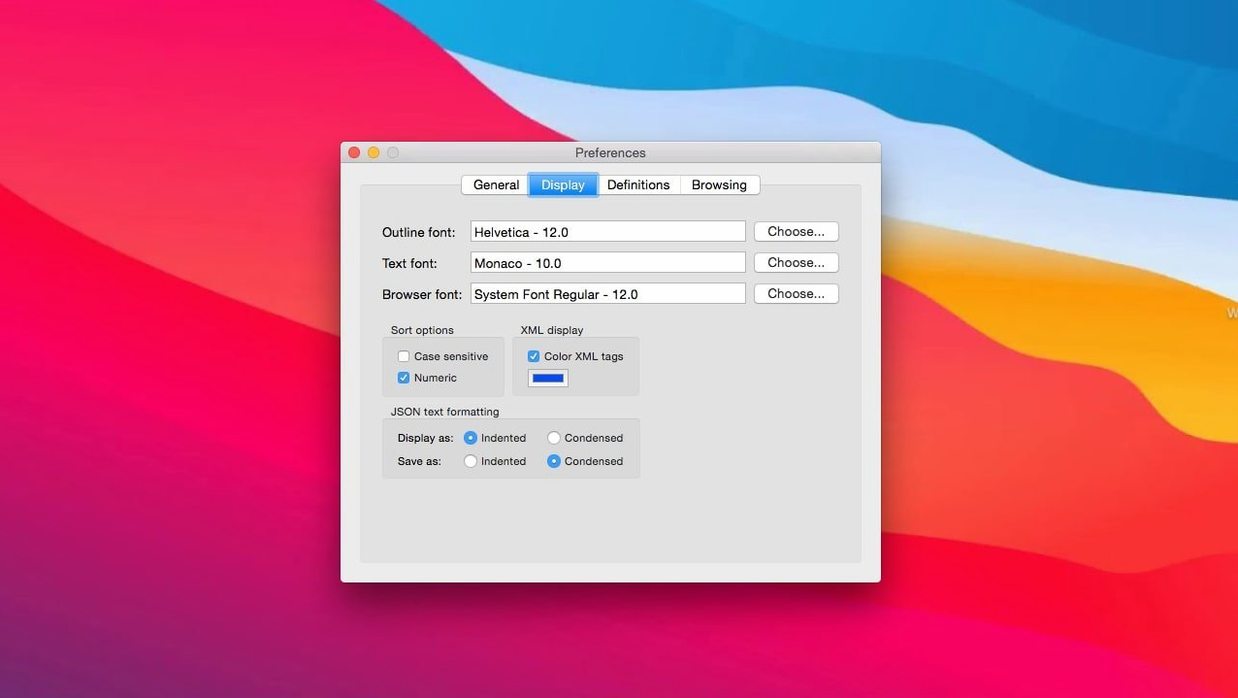
- Font customisation so you're not stuck squinting at the default.
Developers working on Mac or iOS apps tend to use it the most, but anyone who needs to edit a plist or JSON file without the clutter of a full IDE will find it fits the bill.
Sonoma-native update keeps it running without new features
Version 1.10.0 raised the floor to macOS 14, which means any Mac running Sonoma or newer can run it natively on both Apple Silicon and Intel. In practice that's a quiet compatibility bump—no new features, but it keeps the app ticking on current macOS releases without Gatekeeper grumbling.
The earlier 1.1 update tidied up some interface bits that had been hanging around since older macOS versions. The preferences browser options checkboxes moved into a toolbar menu, which saves a sliver of window space when you're browsing ~/Library/Preferences. The "Ask to revert when file changes on disk" option also shrank from a full preference pane entry into a small popover. Neither change is flashy, but if you hop between a text editor and PlistEdit Pro while a file is being written by another process, that popover appears exactly where you need it—right next to the document, not buried in a separate window.
Drag-and-drop rhythm clicks in the first ten minutes
Open a plist from a system folder and you'll notice the outline view straight away. It's worth spending ten minutes with a file you know well—something from an app you've been tinkering with—just to get the rhythm of the drag-and-drop reordering. Keys and values move as whole branches, and the undo stack goes deep enough that you won't lose your nerve.
If you're coming from Xcode or a plain text editor, do this early on:
- Pick a font that suits you. The default is serviceable, but a monospaced face at a comfortable size makes scanning long JSON arrays noticeably easier. Look under Preferences and set it once.
- Try the folder-wide find before you need it. Point it at
~/Library/Preferences, search for a key you're curious about, and watch how quickly it returns results across dozens of files. It's a faster way to learn which apps touch a particular setting than grepping by hand. - Drop the
pledittool into a shell script. Even a one-liner that opens a specific file saves you the Finder hunt later. The tool ships inside the app bundle, so you'll want to alias it in your shell config.
The prefs browser is the other thing to explore early. It lists macOS preference domains in a sidebar exactly like the files on disk, so you can browse without guessing paths. That alone makes it useful for checking what an app actually writes versus what you assumed it wrote.
Debugging provisioning profiles beats scrolling through XML
Mac and iOS developers are the obvious audience, and for good reason. When you're debugging a provisioning profile or an Info.plist that isn't behaving, seeing the raw structure alongside key names beats scrolling through XML. The copy and paste that preserves property list structure means you can lift a chunk from one plist and drop it into another without the formatting collapsing into plain text.
Less obviously, anyone who tinkers with macOS itself will find it earns its keep. If you're the sort who tweaks hidden preferences—Dock behaviour, Finder settings, anything that lives in a .plist—the prefs browser puts every domain at your fingertips without needing to know the file name. And because it understands the data types natively, you won't accidentally save a boolean as a string and wonder why the setting didn't stick.
JSON support covers the other side of the coin. Configuration files, package manifests, and a lot of modern dev tooling spit out JSON. Having one editor that handles both formats means you're not switching tools when a project mixes plist build settings with JSON config. The outline view collapses and expands nested objects the same way in both formats, which matters when you're four levels deep in a package.json and just want to find the one dependency that's pinning an old version.
- Now needs macOS 14 or later to run.
- Interface bits tidied up for macOS Tahoe.
- Prefs browser options checkboxes moved into a toolbar menu.
- 'Ask to revert when file changes on disk' option is now a small popover.
- macOS 14 or later
- Apple Silicon or Intel Mac
Questions from the bench
Can PlistEdit Pro edit JSON files as well as plists?
Yes, it works as an editor for both property list and JSON files.
Is there a way to use PlistEdit Pro without opening the main app?
Yes, it includes a command-line tool called pledit for scripting and quick edits.








 Back up
Bench talk (0)
Sign in or get a library card to pin up a note.
Nobody has chimed in on this card. If you have used it on an old Mac, say which one.