

Gemini 2.10.2 — Mac version
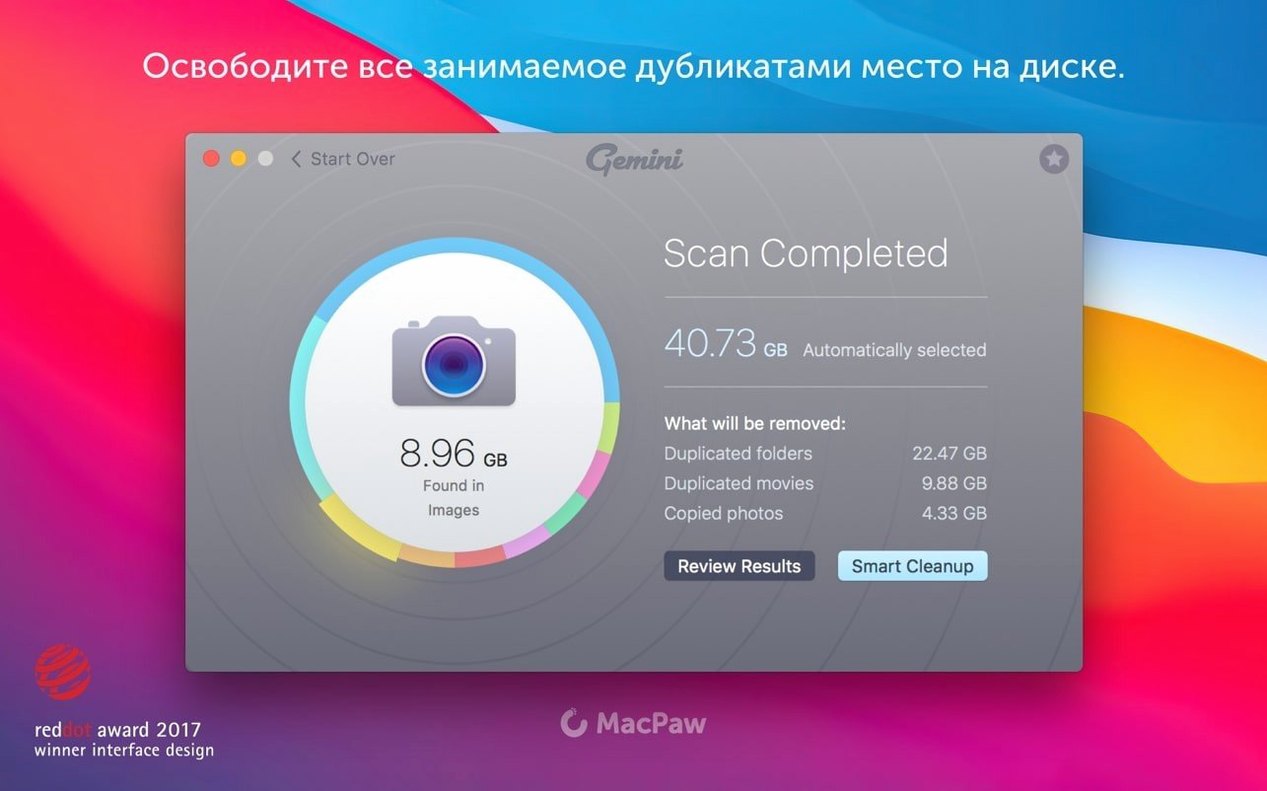
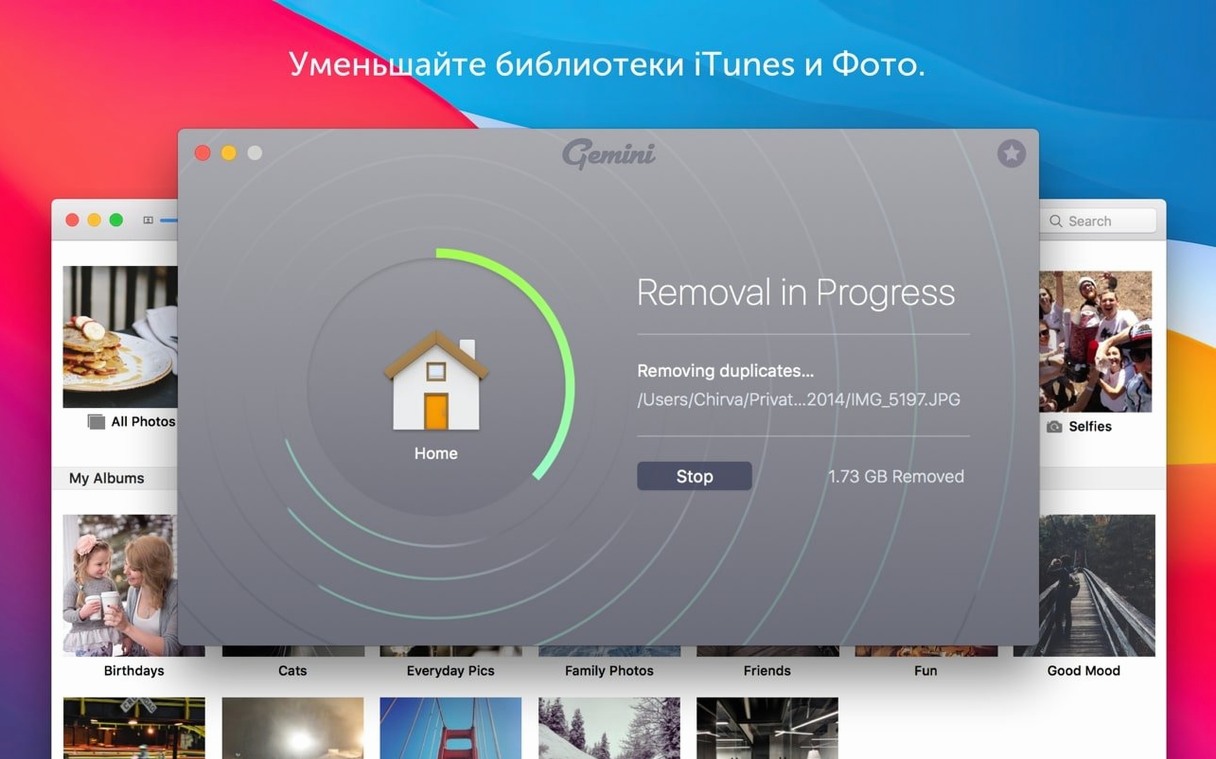
Photos, music, and random folders fill up a hard drive with copies you forgot about, and manual cleanup takes ages.
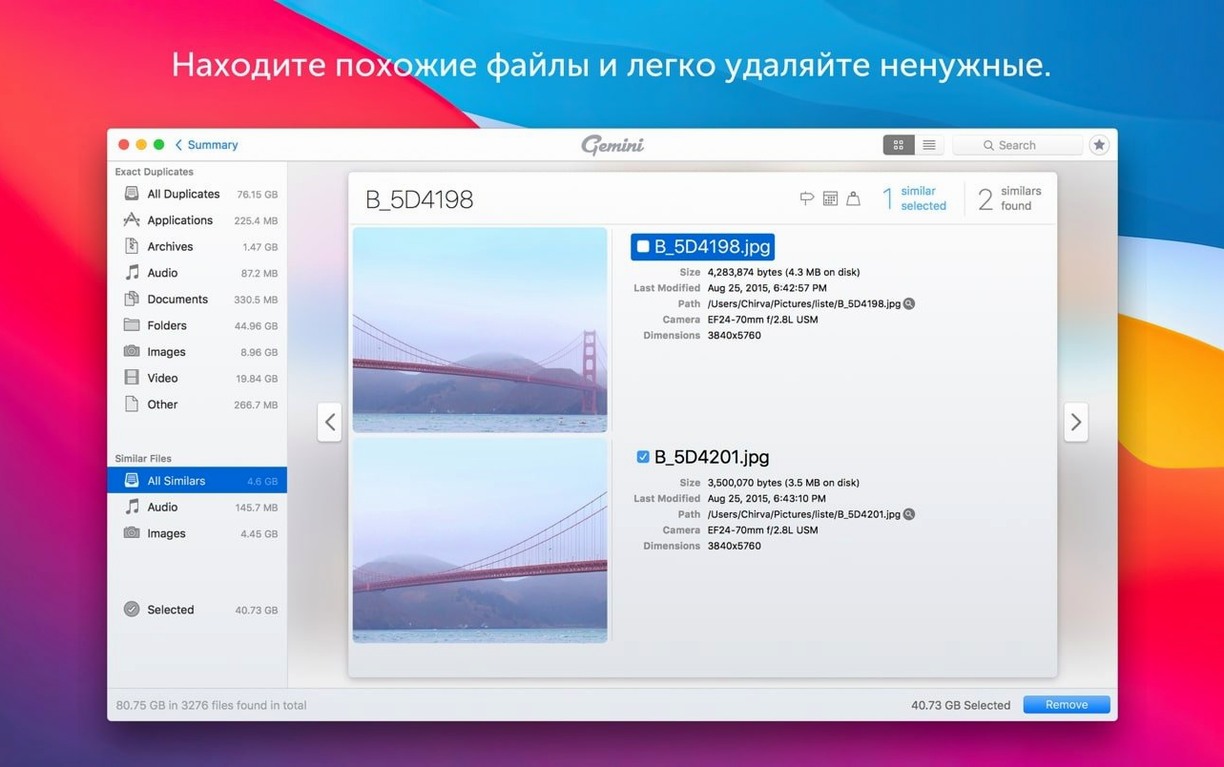
Duplicate finder — Gemini scans your whole Mac, hunting out identical and nearly identical files across iTunes, Photos, the hard drive and tucked-away old folders.
Smart Select — learns which files you usually delete and picks duplicates for you on later scans. You still review everything in the results pane before it goes.
Grouping — sorts images, music, video and other file types into clusters so you can move or remove them in batches, not one by one.
Remote corners — reaches system folders and library locations that a quick manual search would miss, so duplicate folders and libraries show up alongside loose files.
The interface keeps things simple: scan, review what Smart Select suggests, tweak any choices, then clear the lot. It plays nicely alongside a manual tidy-up habit or a dedicated uninstaller, handling the duplicate side of the job without fuss.
Drag in a folder Gemini skipped on first pass
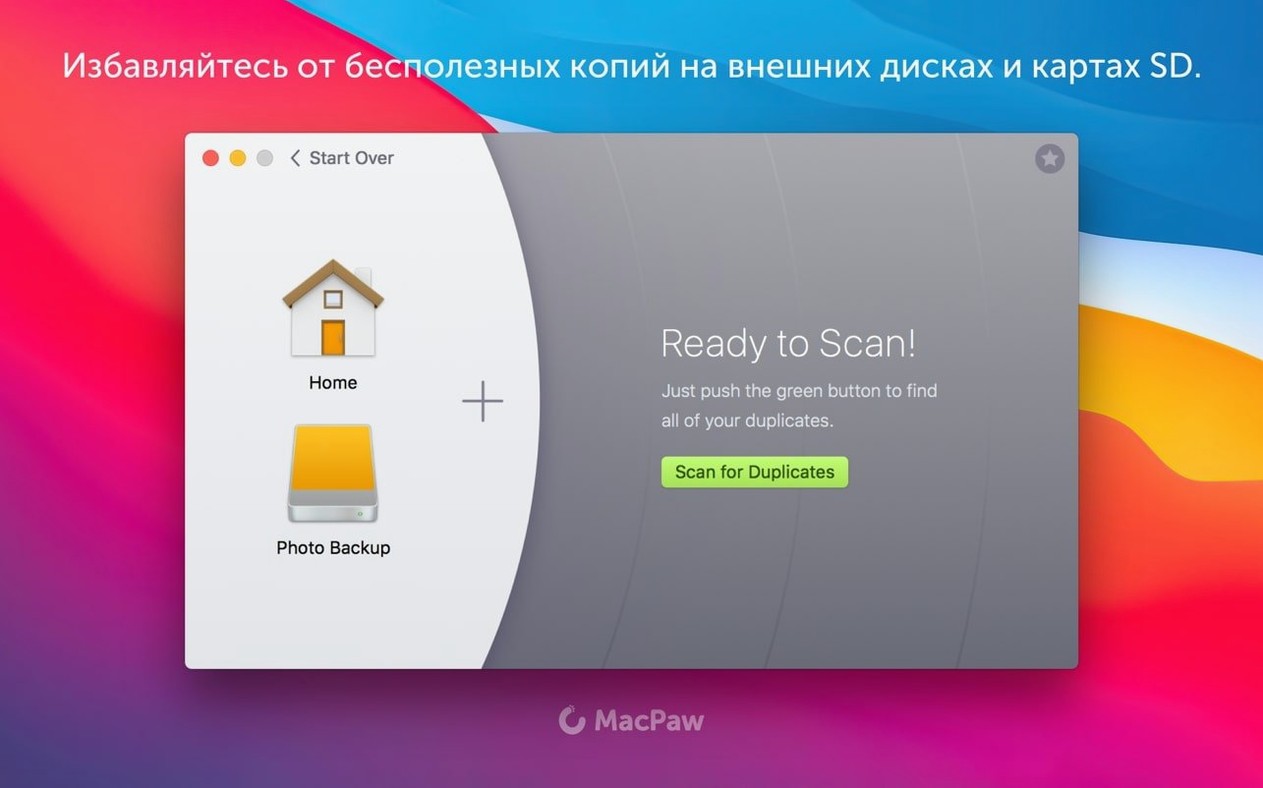
Gemini shows zero duplicates on a drive you know has them. Check the scan scope — by default it might skip system folders or external drives. Drag the folder or volume you want into the scan window, or click the plus button and pick it manually. Also worth checking: if you ran a scan moments ago and cleared the lot, Gemini won't find new dupes until you actually make some.
Smart Select picks the wrong copy to keep. It learns from your past choices, so if you once kept a file in ~/Downloads over one in ~/Documents, it may repeat that pattern. Fix it fast: select the group, right-click, and choose "Select Newest" or "Select by Location" from the menu. After a few manual corrections, the algorithm catches up.
The scan crawls on a big Photos library. Large media libraries take time — no way around that. If you need results sooner, do a targeted scan of a single folder rather than the whole Mac. Pause the scan anytime; results so far stay visible.
"Similar" results flag files that aren't really dupes. The similarity slider lives at the top of the results pane. Slide it right for near-identical matches only, left for looser grouping. For photos, "similar" often means different edits of the same shot — handy or annoying depending on your needs.
Recently Deleted still eats disk space. Gemini holds removed files in a quarantine area inside the app, not the system Bin. Empty it from the Gemini menu if you're sure. Files stay recoverable until you do.
Small conveniences you'd miss at first glance
- Quick Look in results. Tap the spacebar on any file to preview it without opening another app. Works for images, PDFs, audio and video.
- Reveal in Finder. Right-click a result and choose Show in Finder to check the surrounding folder before you delete.
- Sort by size. Click the Size column header in the results pane. Attack the biggest duplicates first — you'll free more space with fewer clicks.
- Drag-and-drop scanning. You don't need to use the main window. Drop any folder onto Gemini's Dock icon and it starts a scan of just that spot.
- Skip list from the menu bar. Under Gemini > Preferences you'll find an option to mark certain folders as off-limits. Useful for work drives or archives you never want touched.
Stop it scanning Photos and iTunes every launch
Open Preferences straight after install and tweak a handful of things that make the app fit how you actually work.
Turn off automatic scanning of Photos and iTunes. By default Gemini digs into both libraries every time. If you organise those manually or use iCloud, uncheck them in Preferences > Scan. Scans finish faster and you avoid false positives from cloud thumbnails.
Adjust the minimum file size. Under Scan settings, set a floor — say, 100 KB. Skipping tiny config files and caches cuts scan time and keeps the results list focused on things that actually claw back space.
Switch "Select duplicates automatically" off if it annoys you. Some folk prefer to review everything fresh each time. Preferences > Smart Select lets you disable auto-selection entirely, so you always make picks from scratch.
Add your external drives to the skip list unless you actively want them scanned. Plugging in a backup drive and watching Gemini churn through it by accident is a rite of passage you can avoid.
Maya’s 256 GB MacBook is full — here’s what she does
Maya has a 2015 MacBook Pro with a 256 GB drive that's been complaining about space for months. She's downloaded a Gemini torrent from a friend's recommendation and wants to claw back room for a new Logic project.
She opens Gemini and unchecks Photos and iTunes in the scan options — her photo library syncs with iCloud and she doesn't fancy deleting thumbnails by mistake. She drags her ~/Documents folder onto the Dock icon because she knows old project folders hide duplicate audio stems and exports.
The scan takes about three minutes. Results appear grouped by file type: a cluster of WAV files, a cluster of PDF invoices, and a sprawling group of PNG screenshots. She sorts by size — the WAVs top the list. Quick Look confirms which ones are rough mixes she bounced three times under different names. She selects the oldest two copies in each group and marks them for removal.
Smart Select has already flagged a dozen PDFs, but Maya spots that it picked a file from ~/Documents/Tax over the same file in ~/Documents/Current. She flips the selection manually with a right-click, choosing to keep the newer copy instead.
She scans her Downloads folder next — thirty seconds — and clears out old disk images and duplicate ZIPs. By the time she empties Recently Deleted from the menu, Finder reports 19 GB freed. She quits Gemini, launches Logic, and starts the new session without the storage nag.
If you're grabbing a Gemini 2 free download full version for the first time, spending five minutes on Preferences and doing a targeted folder scan rather than a whole-disk sweep makes the first run feel less like guesswork and more like a tool you actually control.
- macOS 10.13 High Sierra or later
- Intel-based Mac (64-bit)








 Back up
Bench talk (0)
Sign in or get a library card to pin up a note.
Nobody has chimed in on this card. If you have used it on an old Mac, say which one.